An Africa safari is a bucket-list experience for many, offering a chance to witness the continent’s awe-inspiring landscapes, iconic wildlife, and unique cultures. But beyond the breathtaking scenes lies a world of intriguing details and lesser-known facts that make this adventure even more extraordinary. Here are ten fascinating facts you might not know about African safaris.
1. Safaris Started as Hunting Expeditions
The word “safari” originates from the Swahili language, meaning “journey.” Historically, safaris were hunting expeditions undertaken by colonial explorers in the 19th century. Thankfully, modern safaris focus on conservation and wildlife observation, celebrating the beauty of Africa’s natural habitats.
2. The “Big Five” Was Originally a Hunter’s Term
The term “Big Five” (lion, leopard, elephant, rhinoceros, and buffalo) was coined by hunters to refer to the five most challenging animals to hunt on foot. Today, it symbolizes Africa’s wildlife and is a must-see for safari-goers who wish to observe these majestic creatures in their natural environment.
3. Night Safaris Offer a Unique Perspective
Most safaris occur during daylight, but night safaris provide an entirely different experience. Using spotlights, you can see nocturnal animals like aardvarks, bush babies, and leopards that are rarely active during the day. The eerie sounds of the African bush at night add to the thrill.
4. Animals Use the Same “Highways” Over Generations
Wildlife in African reserves often follows well-worn paths called game trails. These trails are used for migration, hunting, or simply moving between water and feeding areas. Some paths have been used for centuries, passed down through generations of animals.
5. African Wild Dogs Are the Most Successful Predators
While lions and cheetahs get the spotlight, African wild dogs are the most effective hunters, with a hunting success rate of up to 80%. These highly social animals work together in packs, using exceptional communication and strategy to outwit prey.
6. The Serengeti Migration is the Largest Land Animal Movement on Earth
The Great Migration involves over 1.5 million wildebeest, 200,000 zebras, and other animals traveling across the Serengeti and Masai Mara in search of greener pastures. This natural phenomenon is one of the most incredible spectacles on the planet.
7. Baobab Trees Can Live for Thousands of Years
Known as the “Tree of Life,” the baobab tree is iconic in many African landscapes. Some baobab trees are estimated to be over 2,000 years old. They store water in their trunks, provide shelter for animals, and are central to many local myths and traditions.
8. Giraffes and Zebras Have Unique Defense Mechanisms
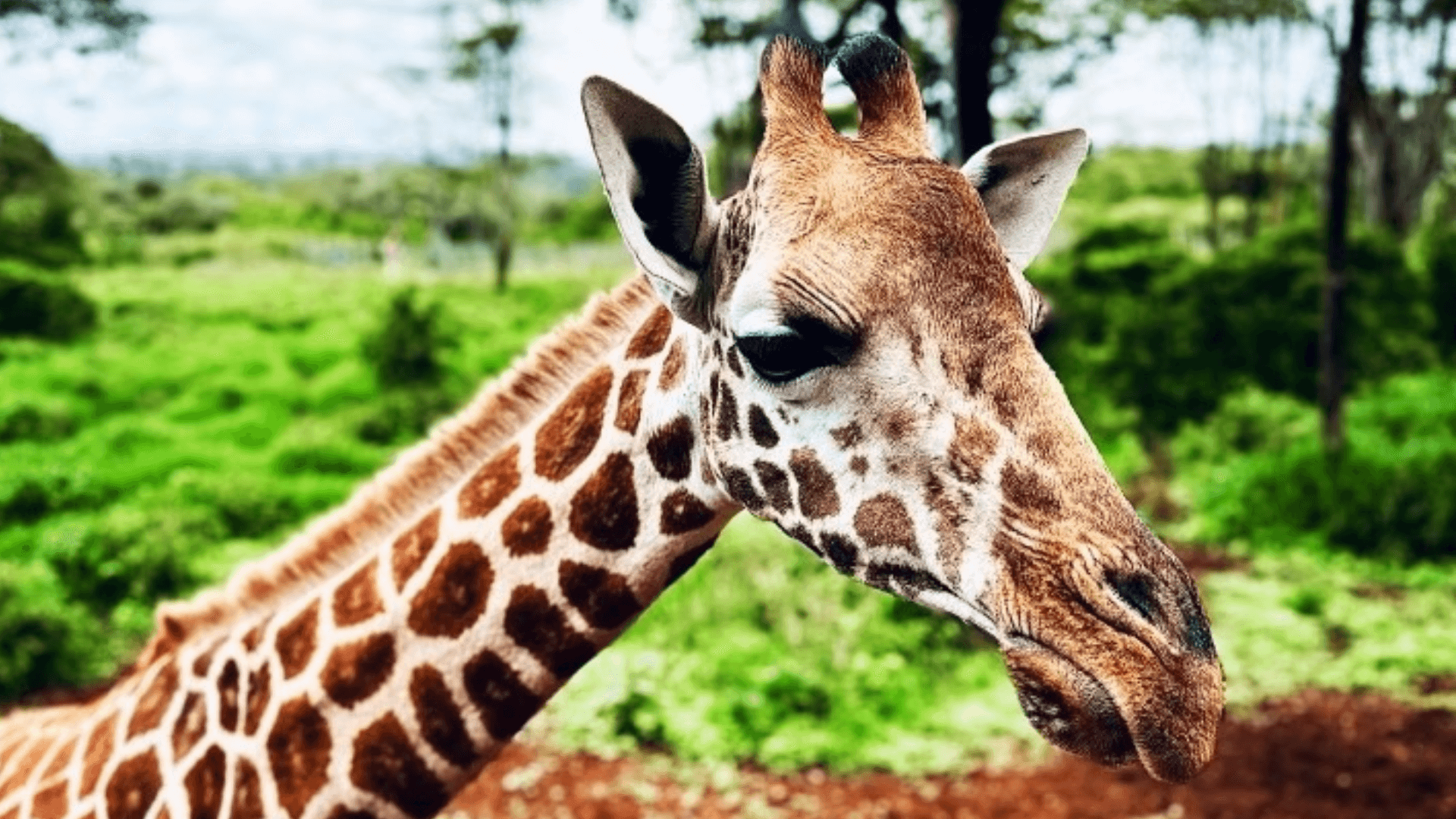
Giraffes use their powerful legs to deliver devastating kicks that can deter predators like lions. Zebras, on the other hand, rely on their stripes, which act as a natural camouflage and a deterrent to biting insects, such as tsetse flies.
9. Conservation Efforts Are Tied to Tourism
Safari tourism plays a crucial role in funding conservation efforts. Many reserves and parks use tourism revenue to combat poaching, support anti-wildlife trafficking measures, and protect endangered species. By going on a safari, you’re directly contributing to these efforts.
10. Every Safari Experience is Unique
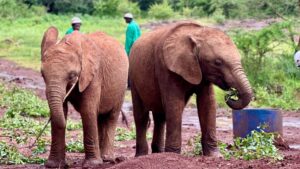
No two safaris are the same. Wildlife behavior varies depending on the season, time of day, and even luck. One day, you might witness a dramatic lion hunt, and the next, a serene family of elephants bathing in a watering hole. This unpredictability is part of the magic.